Flowers in Jar Graphics: Editorial Illustrations Review
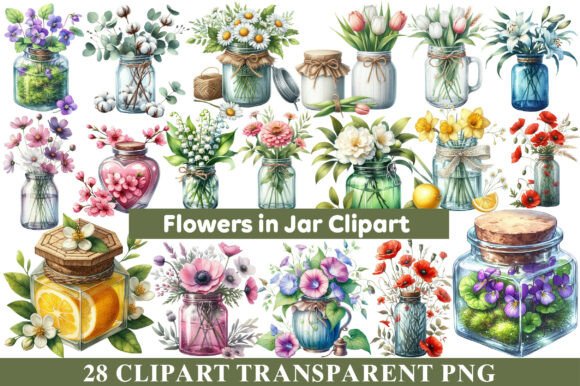
As a digital publisher who has spent years curating the visual identity of multiple content platforms, I approach every new graphic design asset with a critical eye. It is not enough for an image to be pretty; it must perform. It needs to stop the scroll on social media, establish trust in a newsletter header, and maintain clarity on a mobile screen. Recently, I evaluated the Flowers in Jar Sublimation Clipart collection to determine its viability for real-world editorial design and web design projects. My goal was to see if these assets could elevate standard blog graphics into something that feels curated, professional, and deeply engaging for readers.
First Impressions and Editorial Mood
Upon unzipping the file, the first thing that struck me was the cohesive aesthetic. This collection does not feel like a random assortment of stock photos; it feels like a deliberate set of Illustrations designed for a specific lifestyle narrative. The mood is undeniably warm, inviting, and slightly nostalgic, leaning heavily into the "cottagecore" and modern farmhouse trends that continue to dominate the lifestyle and DIY niches. For a blogger or content creator, this immediate atmospheric quality is invaluable. It sets a tone of comfort and creativity before the reader even processes the headline.
The style strikes a balance between artistic and functional. These are not overly complex vector paths that get lost at small sizes, nor are they so simple that they look amateurish. They possess a hand-crafted feel that suggests authenticity—a crucial element for building brand identity in an era where audiences crave human connection over corporate polish. Whether you are running a gardening blog, a home decor site, or a personal development journal, these Graphics naturally support content that aims to inspire, teach, or soothe.
Integrating Assets into a Publishing Workflow
In my own workflow, the versatility of a digital download like this is paramount. The Flowers in Jar Sublimation Clipart package delivers 28 high-resolution PNG files at 300 DPI. While the product description notes these are not SVG files, the raster quality is more than sufficient for almost all digital publishing needs. Here is how I envision deploying these assets across a typical content strategy:
- Featured Images and Hero Headers: The larger arrangements work beautifully as focal points for blog post headers. When paired with a clean sans-serif or elegant serif font, they create an instant visual hierarchy that draws the eye to the title.
- Pinterest Pins: Pinterest is a visual search engine, and these illustrations are tailor-made for it. Their vertical-friendly compositions and distinct outlines make them perfect for creating clickable pins that stand out in a crowded feed.
- Newsletter Banners: Email marketing relies heavily on trust. Using these floral jars as header graphics in a weekly newsletter adds a touch of personality that generic templates lack, increasing open rates through recognition.
- Digital Products and Lead Magnets: For creators selling digital guides, worksheets, or eBooks, these images serve as excellent cover art or interior accents. They elevate a simple PDF into a polished product that feels worth paying for.
- Social Media Graphics: Beyond Pinterest, these assets can be layered into Instagram stories or Facebook posts to break up text-heavy updates, adding a breath of fresh air to the feed.
Impact on Content Performance and Reader Trust
Why does the choice of clipart matter for metrics? Because visual consistency drives recognition. When a reader sees a specific style of blog graphics repeatedly, they begin to associate that aesthetic with your brand's voice. The Flowers in Jar Sublimation Clipart offers a unique visual signature that can help differentiate your content from competitors using generic stock photography.
Furthermore, high-quality visuals signal professionalism. A blurry or poorly chosen image can subconsciously tell a reader that the content beneath it is also low-effort. Conversely, crisp, well-composed Illustrations suggest attention to detail. This boosts reader trust, which is essential for affiliate marketing and conversion optimization. If a user trusts the presentation of your site, they are more likely to click your affiliate links, download your lead magnet, or purchase your commercial design products.
Strategic Placement and Usage Constraints
While these assets are powerful, they are not a one-size-fits-all solution. They shine brightest in hero images, article thumbnails, and dedicated content marketing materials where they have room to breathe. However, caution is required when using them in small mobile thumbnails where fine details might vanish. They may also clash with ultra-minimalist, corporate, or serious financial niches where a stark, data-driven aesthetic is preferred.
Avoid placing these busy, textured florals over low-contrast backgrounds or dense blocks of text. The intricate details of the jars and petals can compete with typography, reducing readability. Always ensure there is sufficient negative space around the graphic to let it function as an accent rather than a distraction.
Practical Notes for Publishers and Designers
Before integrating the Flowers in Jar Sublimation Clipart into your live environment, I recommend a rigorous testing phase. Preview the images on both desktop and mobile devices to ensure the resolution holds up and the colors remain vibrant. Test how the graphics look when compressed for web performance; while the source files are 300 DPI, your website likely needs optimized versions to maintain fast load speeds.
Experiment with typography pairings. These florals pair exceptionally well with handwritten script fonts for a personal touch, but they also ground bold display fonts effectively. Try placing them next to different font styles to see what best matches your existing small business branding. Finally, always verify the licensing terms. While this collection is marketed for sublimation and crafts, ensure the commercial license covers your specific use case, especially if you are using them in monetized Canva templates or paid digital products sold on a creative marketplace.
In conclusion, this collection represents a solid investment for lifestyle publishers and creative entrepreneurs looking to add warmth and character to their digital presence. By treating these design assets as strategic tools rather than mere decorations, you can significantly enhance the visual appeal and professional perception of your online content.