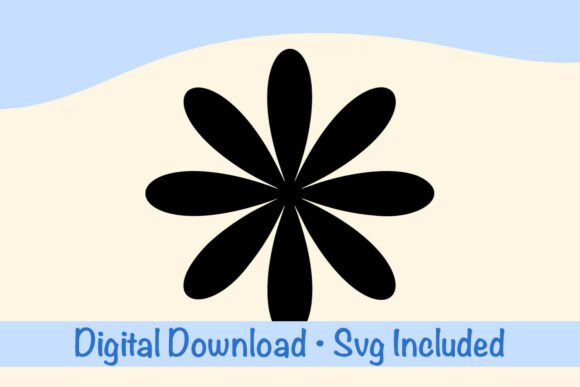
Retro Flowers SVG: Vibrant Graphics for Illustrations
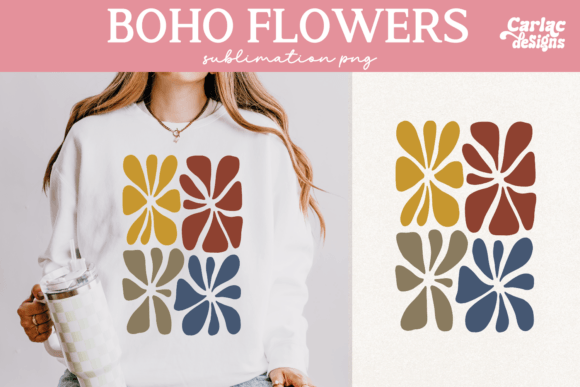
As a digital publisher who has spent years refining the visual identity of multiple content platforms, I approach every new graphic design asset with a critical eye. It is not enough for an image to simply look pretty; it must serve a functional purpose within an editorial workflow. When I first opened the files for the Retro Flowers SVG, Flower Clipart collection, my immediate impression was one of nostalgic warmth mixed with modern versatility. The lines are clean, yet they retain that hand-drawn charm that instantly signals a lifestyle-focused or creative niche. For bloggers and website owners, this specific aesthetic does heavy lifting in establishing a welcoming atmosphere before the reader even processes the headline.
Establishing Editorial Mood and Reader Trust
In the crowded landscape of content marketing, the first three seconds of a user's experience are dictated by visuals. This collection creates a distinct editorial mood that feels both playful and artistic. It leans heavily into the "retro" trend that is currently dominating social media and web design, making it feel incredibly current despite its vintage inspiration. When used correctly, these Illustrations signal to your audience that your brand is approachable, creative, and detail-oriented. This is crucial for building reader trust. If you are running a blog about home decor, gardening, wellness, or DIY crafts, this asset naturally supports your niche by reinforcing a cohesive brand identity. It tells the reader that you care about the presentation of your ideas, which often translates to a perception of higher quality in your written content as well.
Integrating Assets into a Real Publishing Workflow
The true value of a digital download like this lies in its application across various touchpoints of a publishing strategy. I envision using the Retro Flowers SVG, Flower Clipart extensively for blog graphics and featured images. Because SVGs are vector-based, they scale infinitely without losing quality, making them perfect for high-resolution displays and retina screens.
Here is how I would deploy these assets in a real-world scenario:
- Pinterest Pins: The bold shapes and clear outlines work exceptionally well for vertical pins. They grab attention in a busy feed and provide a great backdrop for overlay text.
- Newsletter Headers: Adding a floral accent to the top of an email campaign breaks up the text and adds a splash of color that increases open rates through visual appeal.
- Digital Guides and eBooks: These elements can be used as chapter dividers or decorative borders in downloadable PDFs, adding value to lead magnet offerings.
- Social Media Graphics: From Instagram stories to Facebook post backgrounds, these flowers provide a consistent visual thread across platforms.
- Website Headers: A subtle arrangement of these flowers can soften a rigid website header, making the navigation area feel more organic and less corporate.
Furthermore, the licensing terms are incredibly generous for entrepreneurs. You have the freedom to utilize these cut files to create physical merchandise such as t-shirts, mugs, wall art, posters, signs, greeting cards, and vinyl projects. Whether you are creating products for your own inventory or selling them to others, the license permits commercial use, provided you do not claim the original design as your own intellectual property. This opens up significant revenue streams for small business owners looking to expand their product lines with minimal upfront design costs.
Boosting Content Performance and Visual Hierarchy
Why does this matter for performance? In affiliate marketing and ad-driven blogging, click-through rates are king. A strong visual hierarchy guides the eye exactly where you want it to go. By placing these Graphics strategically near call-to-action buttons or headlines, you create a focal point that improves the likelihood of a click. Consistent use of these retro florals across your category thumbnails helps users recognize your content instantly, fostering better category recognition. It transforms a generic blog layout into a polished, professional-looking content page that competitors will envy.
The asset works best when used as a hero image component or an editorial accent. It shines in Canva templates where you can quickly drag and drop elements to create batch content for the week. It is also ideal for printable designs, such as planners or worksheets, which are popular digital products in the education and organization niches.
Strategic Considerations and Limitations
However, every design tool has its limits. While the Retro Flowers SVG, Flower Clipart is versatile, it requires careful handling in certain contexts. You should exercise caution when using these on small mobile thumbnails where intricate details might get lost or appear muddy. Additionally, avoid placing them on low-contrast backgrounds or busy layouts where they might compete with the main text, reducing readability.
This style may not be suitable for serious professional niches, such as legal advice, financial consulting, or corporate news, where a minimal and stark visual system is preferred. In those environments, the playful nature of retro flowers could undermine the perceived authority of the content. Always ensure the visual tone matches the gravity of the subject matter.
Practical Notes for Publishers and Designers
Before integrating these files into your live site or final product, I recommend a rigorous testing phase. Preview the assets on both desktop and mobile screens to ensure they render correctly at different sizes. Check how the flowers look when scaled down to a favicon or a small sidebar widget. Test them alongside various typography styles; they pair beautifully with serif fonts for a classic look, sans serif for a modern twist, and script or handwritten fonts for a whimsical feel.
From a technical standpoint, remember that while SVGs are lightweight, if you convert them to PNG or JPG for specific platforms, you must compress the images properly to maintain fast load times. Slow sites kill engagement. Finally, always review the commercial licensing details again before using the assets on monetized websites, affiliate pages, or paid content products to ensure full compliance. By treating this creative marketplace find with the respect and strategic planning it deserves, you can significantly elevate the visual standard of your digital presence.