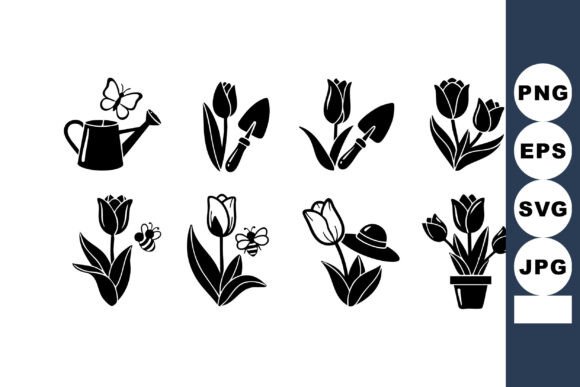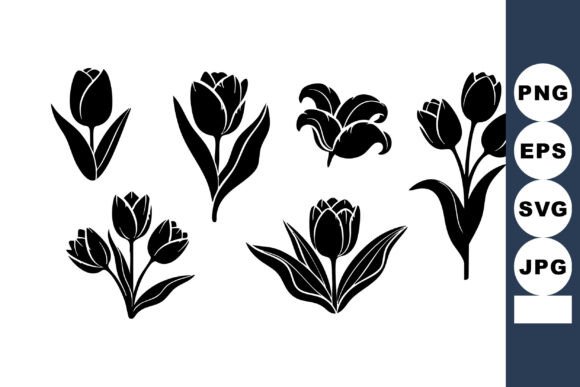
Tulip Flowers Graphics & Illustrations for Blogs
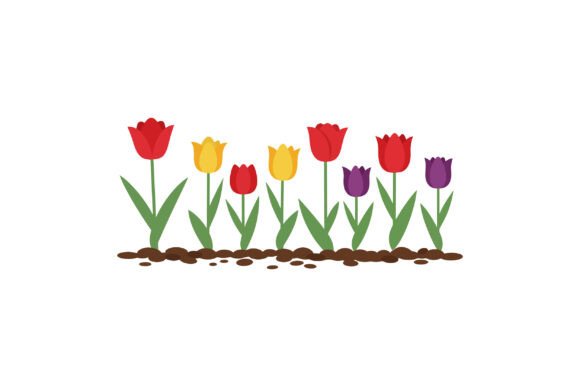
As a digital publisher who spends more time in style sheets and layout grids than most people care to admit, I am constantly on the hunt for graphic design assets that strike the perfect balance between aesthetic appeal and functional utility. When I first opened the file for Tulip Flowers in Red Yellow and Purple C, my immediate reaction was one of relief. In an industry saturated with overly complex vectors and hyper-realistic photos that slow down page load speeds, this collection offers a refreshing simplicity. The design features tulips in vibrant red, sunny yellow, and deep purple growing upright from the soil, rendered in a clean vector style that instantly creates a fresh garden scene and a remarkably calm mood.
For bloggers, newsletter creators, and small business owners, the "vibe" of an image is just as important as its resolution. This specific asset leans heavily into a lifestyle-focused yet professional aesthetic. It feels organic without being messy, making it an ideal candidate for niches ranging from home gardening and wellness to creative entrepreneurship and seasonal lifestyle content. The color palette is particularly striking; the combination of warm yellows and cool purples against the bold red provides enough contrast to grab attention without screaming for it. This subtlety is crucial for maintaining reader trust. When your visuals look polished and intentional, your audience subconsciously assumes your content holds the same level of quality.
Integrating Vector Assets into Your Publishing Workflow
The true value of any digital download lies in its versatility across different platforms. Because this package includes SVG, EPS, JPG, and PNG files, it fits seamlessly into a modern web design workflow. Here is how I envision deploying these illustrations in a real-world content strategy:
- Blog Featured Images: The upright composition of the flowers makes them perfect for standard blog post headers. They frame the title text beautifully without competing for space.
- Pinterest Pins: Vertical layouts thrive on clear focal points. These tulips can serve as the hero element in a pin design, drawing the eye down toward the call-to-action button.
- Newsletter Banners: Email clients can be finicky with heavy images. Using the optimized PNG or JPG versions here ensures fast loading while adding a splash of color to otherwise text-heavy updates.
- Digital Guides and eBooks: For those creating lead magnets or printable designs, the vector files (SVG and EPS) allow you to scale the flowers to any size without losing crispness, perfect for cover art or chapter dividers.
- Social Media Graphics: Whether for Instagram stories or Facebook ads, the simple style integrates well with overlay text, supporting stronger visual hierarchy.
When used correctly, assets like Tulip Flowers in Red Yellow and Purple C do more than just decorate; they improve content performance. A strong first impression increases the likelihood of a click-through. By establishing a consistent visual language across your blog graphics and social channels, you build a recognizable brand identity. Readers begin to associate that specific shade of purple or that particular floral style with your voice, leading to better category recognition and a more professional-looking content ecosystem.
Strategic Placement and Visual Impact
To get the most out of this creative design, context is key. These graphics work best as hero images on landing pages, article thumbnails in grid layouts, or as editorial accents within long-form content to break up text walls. They are also excellent for category visuals, helping users navigate your site intuitively. For example, using the yellow tulip for "Summer Tips" and the purple for "Evening Routines" creates a subtle coding system for your audience.
However, caution is required. While the style is modern and clean, it may not suit every environment. You should use these carefully on small mobile thumbnails where intricate details might get lost. They are likely too playful for serious professional niches like corporate finance or legal advice, where a more minimal or abstract visual system is preferred. Additionally, avoid placing them on low-contrast backgrounds or busy layouts where the simplicity of the vector might get drowned out by noise.
Technical Considerations for Publishers
Before integrating any new asset into a monetized website or affiliate page, practical testing is non-negotiable. Here are my top notes for ensuring these graphics perform technically and legally:
- Cross-Device Testing: Always preview the image on both desktop and mobile screens. What looks balanced on a 27-inch monitor might look cramped on a smartphone.
- Typography Pairing: Test the flowers beside various font styles. They pair exceptionally well with serif fonts for an editorial look, sans serif for modernity, and script or handwritten fonts for a personal, boutique feel.
- Performance Optimization: Even though vectors are lightweight, ensure your JPG and PNG exports are compressed properly for web performance to maintain high Core Web Vitals scores.
- Licensing Verification: Always confirm the commercial license terms before using the asset in paid content products, digital ads, or client work. Most items on a creative marketplace allow for commercial use, but restrictions on "print on demand" or "resale" often apply.
- Contrast Checks: If you plan to overlay text, ensure there is enough negative space around the tulips or use a semi-transparent overlay to maintain readability.
In the world of content marketing and affiliate marketing, the difference between a scroll-past and a click often comes down to the quality of your visuals. Tulip Flowers in Red Yellow and Purple C offers a reliable, high-quality solution for publishers looking to elevate their editorial design without breaking the bank or slowing down their site. By leveraging these design assets strategically, you can create a cohesive, inviting, and highly clickable digital presence that resonates with your audience.