Review: Hand Drawn, Line Art Flowers for Modern Embroidery
As a designer who spends most of my day digitizing files and reviewing machine embroidery design assets for client projects, I approach new graphics with a critical eye. It is not enough for an image to look pretty on a screen; it must translate flawlessly into thread. When I first opened the Hand Drawn, Line Art Flowers collection, my immediate reaction was one of cautious optimism. In the world of Illustrations and Graphics, simple line work often promises a clean, modern aesthetic, but it can be treacherous to stitch if the lines are too erratic or the spacing is inconsistent.
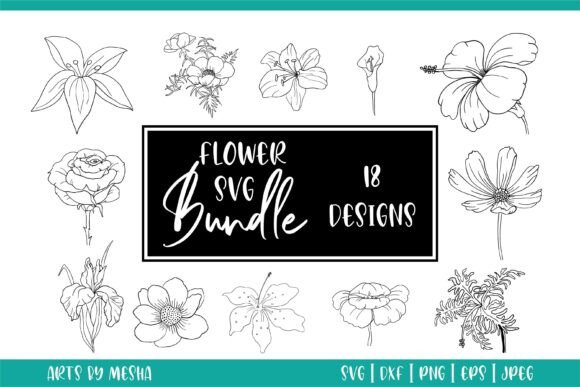
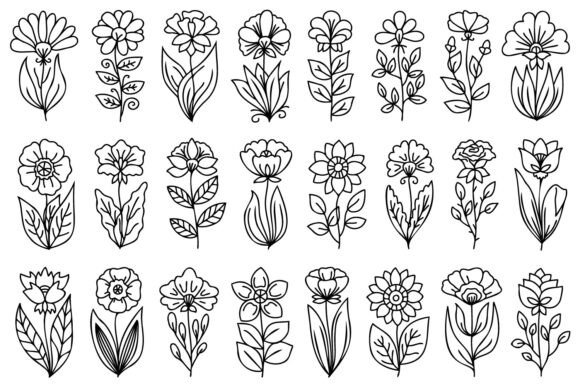
This set features abstract line art flowers with stems and leaves, drawn with a black thin line and isolated on a white background. Visually, the mood is minimalist, organic, and effortlessly chic. The "hand-drawn" quality gives it a human touch that rigid vector shapes often lack, making it an ideal candidate for brands aiming for a boutique, artisanal feel. However, before committing this to a paid project, I needed to determine if these design assets hold up under the needle.
The Aesthetic Appeal and Project Fit
The visual personality of Hand Drawn, Line Art Flowers leans heavily into the current trend of continuous line drawing. For an Etsy seller or a small shop product creator, this style is gold. It reads as high-end without being overly ornate. I immediately envisioned this working beautifully on a natural linen tote bag design or as a subtle accent on a heavyweight cotton sweatshirt. The simplicity allows the texture of the fabric to shine through, which is crucial for creating a premium handmade product.
Because the lines are thin and the composition is open, these flowers do not overwhelm the garment. They act more like a sketch than a heavy patch. This makes them perfect for custom apparel where the wearer wants something understated. Imagine a row of these stems running along the hem of a kitchen towel or a single bloom placed delicately over the heart of a baby onesie. The baby embroidery market loves this kind of soft, non-bulky detailing.
Real-World Application: The Tote Bag Test
To truly evaluate this collection, I simulated a real-life scenario: preparing a custom order for a local florist who needed branded merchandise. The goal was a series of canvas tote bags featuring a botanical theme. I selected one of the larger flower outlines from the Hand Drawn, Line Art Flowers set to test as a potential embroidered patch or direct stitch.
The first impression during the digitizing preparation phase was positive. The clear separation between the stem, petals, and leaves meant that mapping out the stitch path would be straightforward. For a project like this, a simple running stitch or a very narrow satin stitch would likely be the best approach to maintain the "drawn" look. If you were to use a dense fill stitch, you would lose the airy, sketch-like quality that makes these Illustrations so appealing.
In terms of customer reaction, this style signals sophistication. A client receiving a bag with this embroidery perceives it as a thoughtful, personalized gift rather than mass-produced merchandise. It elevates the perceived value of the finished product significantly.
Technical Considerations for Stitching
While the aesthetic is strong, the technical execution requires attention to detail. Since these are outline flowers drawn with a thin line, the stitch density must be managed carefully. If the lines are too close together, the fabric might pucker, especially on stretchy materials. Conversely, if the gaps are too wide, the design might look sparse once stitched.
Here are specific areas where you need to exercise caution when using Hand Drawn, Line Art Flowers:
- Fabric Texture: On highly textured fabrics like terry cloth or coarse burlap, very thin lines can get lost or appear jagged. These designs perform best on smooth, tight-weave fabrics like cotton twill, linen, or polished polyester.
- Dark Fabric: Since the original graphics are black lines on white, stitching on dark fabric requires careful thread color selection. You may need to adjust the contrast or add a light underlay to ensure the delicate lines pop against the background.
- Curved Surfaces: Applying these to caps or hats can be tricky. The curvature of the front panel can distort long, sweeping lines. It is essential to check how the design flows on a curved surface before finalizing the hoop size and placement.
- Small Details: Some of the smaller leaves or intricate petal curls might be too fine for standard threads. You may need to simplify these elements or increase their width slightly to prevent thread breaks.
Maximizing Value for Your Craft Business
For craft business owners, the versatility of this collection is its biggest asset. These Graphics are not just for clothing. They work exceptionally well for home decor items like pillow covers, tea towels, and wall hangings. The neutral, abstract nature of the flowers means they fit into various interior design styles, from bohemian to modern farmhouse.
When considering commercial embroidery projects, consistency is key. Because this is a set, you can mix and match different flowers to create cohesive collections for clients. For instance, you could create a series of holiday embroidery designs by pairing these flowers with seasonal text, or develop a wedding gift line by combining them with monograms.
The impact on brand consistency cannot be overstated. Using a unified set of line art across your printable mockup previews and actual stitched goods helps build a recognizable brand identity. Customers begin to associate that specific clean, linear style with your shop, fostering trust and repeat business.
Practical Designer Notes and Best Practices
Before you sell your first item using Hand Drawn, Line Art Flowers, there are several practical steps you should take to ensure quality control. Do not assume the file is ready to stitch straight out of the folder.
- Test on Scrap Fabric: Always run a test stitch-out on the exact fabric you intend to use for the final product. This reveals how the thread colors interact with the material and whether the tension is correct.
- Check Stabilizer Requirements: Thin line designs often benefit from a cut-away stabilizer to prevent distortion over time, especially if the finished product will be washed frequently.
- Review Licensing: While these are great for commercial use, always confirm the specific license terms provided with the download. Ensure you are cleared to sell both physical items and digital derivatives if applicable.
- Mockup Verification: Create black and white mockups to see how the design holds up without color distraction. This helps you judge the clarity of the lines and the balance of the composition.
- File Format Check: Verify that the digital embroidery file formats included match your machine's requirements. If only vector images are provided, remember that you will need to digitize them yourself, which gives you control over the stitch type but requires more time.
In conclusion, Hand Drawn, Line Art Flowers is a robust collection for designers who appreciate minimalism. It bridges the gap between digital art and tactile craft effectively. With proper testing and attention to fabric choice, these designs can become a staple in your repertoire, adding a touch of elegant simplicity to everything from sweatshirt embroidery to boutique packaging. The key lies in respecting the delicacy of the lines and allowing the craftsmanship of the stitching to enhance, rather than overpower, the original artistic intent.